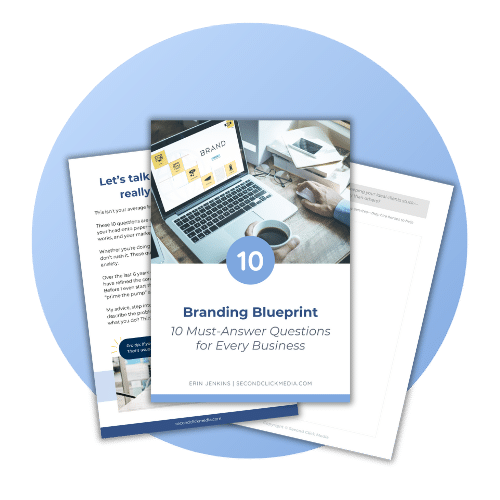

In 2026, website design is evolving to engage audiences in richer, more immersive ways by attempting to engage all 5 senses. Digital experiences have evolved to be more emotional, sensory, and deeply human. With technology pushing boundaries and users craving connection, the websites that win are the ones that feel alive, not just functional.
Here’s what we are watching closely this year.
Why It Matters: Designing for a Five‑Sense World
Today’s web users expect more than static pages and stock photos. They want experiences that move them, literally and emotionally. From motion to rich visuals and intuitive journeys, websites are becoming environments that feel multi‑sensory.
Interactive elements, layered visuals, and storytelling are not just trends; they are ways in which your brand communicates that it is alive and listening.
In fact, modern trends show that immersive visuals and interactive interfaces are defining what high‑performing websites look like in 2026. Really Good Designs
Today, we will dive into the 3 key trends that are developing in website design.
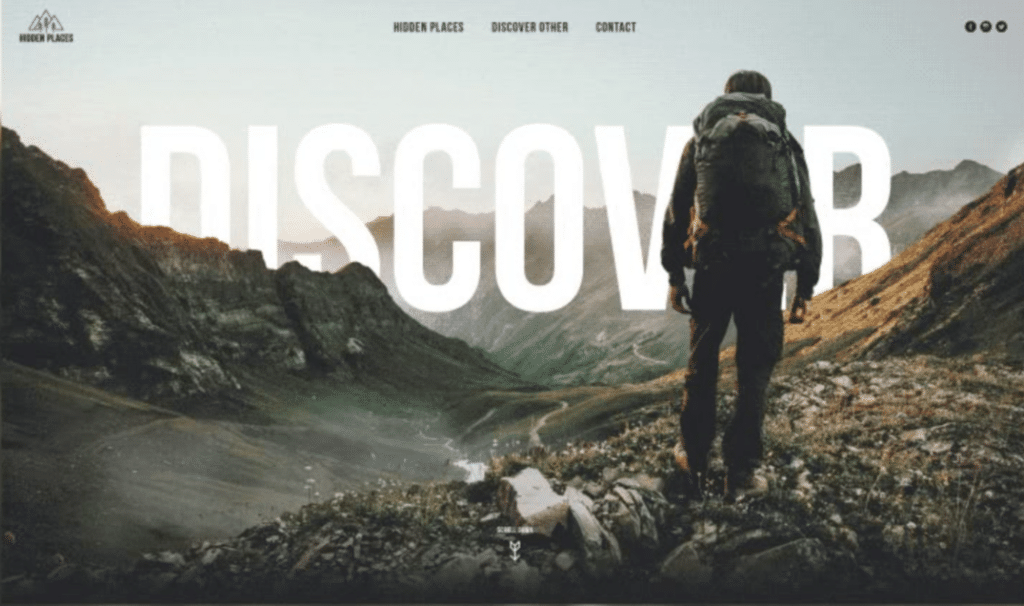
1. Design That Feels Human, Not Generic
In a world of AI-generated everything, standing out means leaning into the human side of design. These trends are all about helping your brand feel approachable, real, and emotionally authentic.
Authentic, Genuine Connection
Design in 2026 has morphed from years of trying to craft the perfect design. Instead, design and marketing are now full of emotion and personality. Designers are intentionally steering away from sterile, algorithm‑generated visuals and toward styles that feel warm, human, and handcrafted.
Imperfect lines, soft textures, and layered storytelling visuals are becoming markers of authenticity — a direct response to the rise of hyper‑automated design. Renderforest
Immersion Through Video & Motion
Motion and Videos have become a standard for brand expression. Websites now feature purposeful animations that guide visitors, tell stories, and make interfaces feel alive. Dynamic motion design and micro‑interactions — like animated buttons or scroll feedback — help visitors feel the brand in ways static layouts never could. Really Good Designs
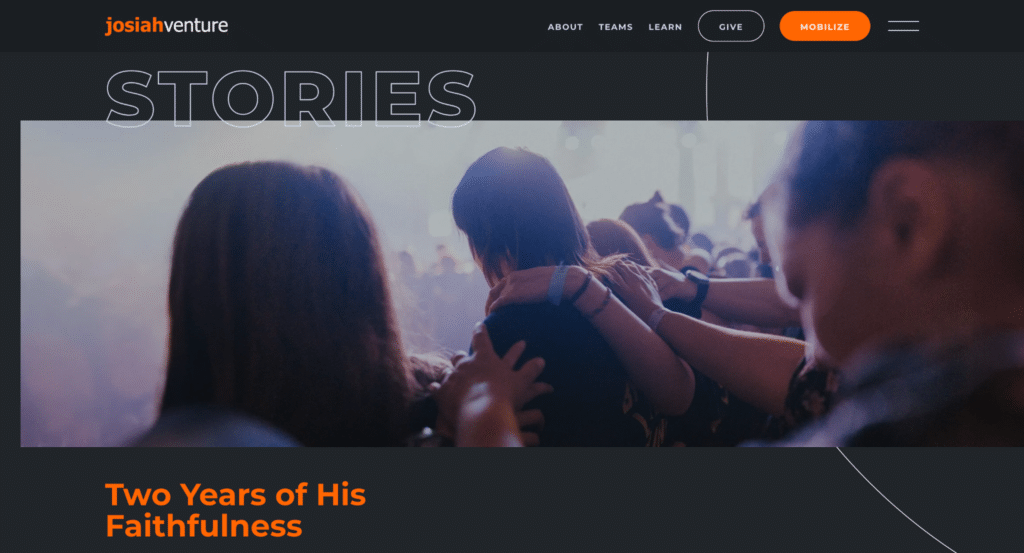
Playful Storytelling & Layered Visuals
Layered visuals, such as overlapping imagery, organic shapes, and asymmetrical layouts, reflect how our world is rich with history, culture, and connection. Instead of isolated, flat design, the web is moving toward compositions that interact visually, much like people do. These layered experiences help tell a brand’s story in a way that feels purposeful and memorable. Elementor
2. Bold, Expressive Visual Elements
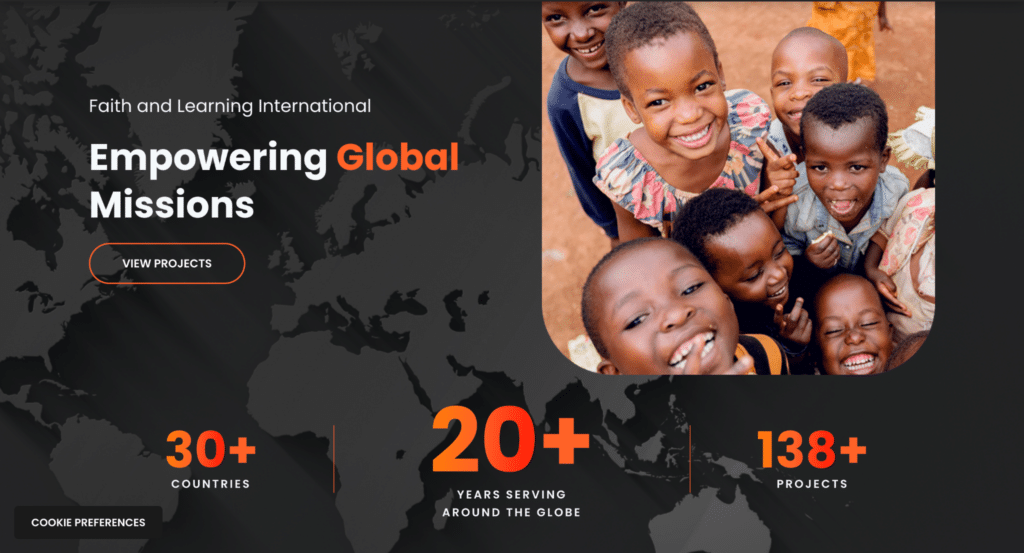
This year’s design trends are ditching safe, neutral choices and going all in. Bold is back in a big way, from oversized fonts to loud colors and high-impact visuals. If you have been playing it safe with your branding, this might be your sign to turn up the volume.
Bold Is Back: Colors, Fonts & Images
The web is reclaiming confidence. Expect to see expressive color palettes, daring typography, and vivid media that demand attention. Typography, including kinetic and narrative type, is being used to deepen storytelling and evoke emotion, not just convey words. Creative Bloq
Expressive fonts and color accents help guide visitor focus and inject personality that matches a brand’s voice.
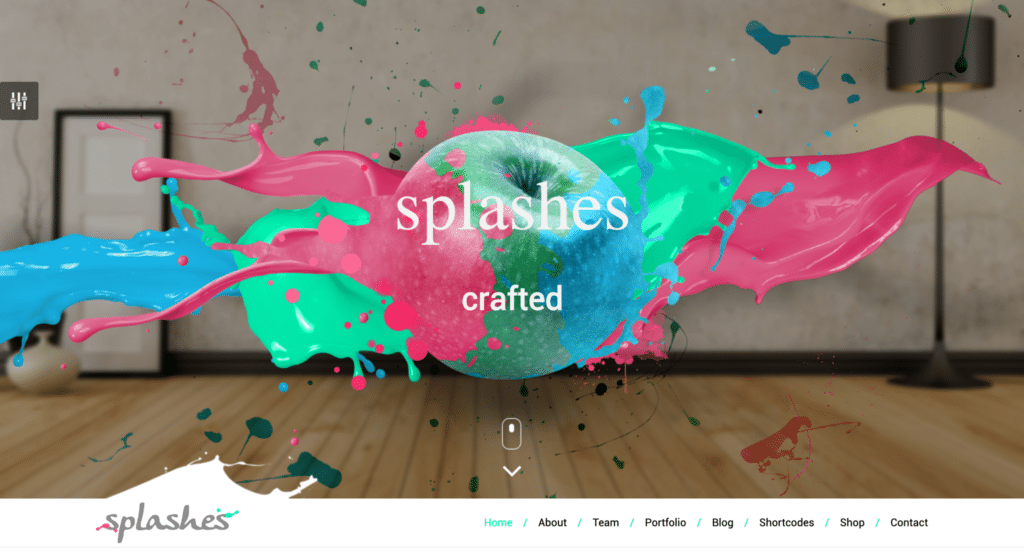
Envato Library – https://html.cwsthemes.com/splashes/?storefront=envato-elements
3. Websites That Act Like Apps
User expectations have leveled up. Today’s website visitors want something that feels as responsive and easy to use as the apps they open every day. That means clean design, intuitive navigation, and interactions that feel personal and purposeful. Your site should be a tool, not just a brochure.
Users expect sites that are:
- Responsive and adaptive across devices
- Fast and intuitive to navigate
- Purposeful in every interaction
For example, dynamic personalization and micro‑interactions help websites feel smart and alive, guiding people through journeys that feel natural and engaging. Digital Sprout
This shift means:
- Clear call‑to‑action paths
- Intelligent navigation that feels seamless
- Interactivity that motivates conversion, not confusion
Websites in 2026 must behave more like mobile apps that are responsive, proactive, and user‑centric.
How to Apply These Trends to Your Business
If you want your website to work for you in 2026, it’s time to think beyond a static landing page. Your site should:
- Engage through motion and interaction
- Tell your brand story with layered visuals and video
- Use bold design choices that reflect who you are
- Guide users with clear, intentional calls to action
Whether we like it or not, these are key areas are more than fast trends. It reflects an evolution of how people interact with the digital world. How people use websites are changing, and it might be time to evolve your brand to help your ideal audience connect with your vision.